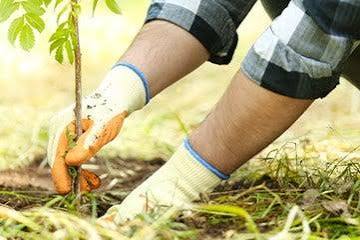
Trees are a valuable part of our surroundings and play an important role in maintaining environmental balance. They provide shade, improve air quality, reduce soil erosion, and create natural habitats for wildlife. Healthy trees also increase the beauty of gardens, parks, and residential properties. However, trees need appropriate attention to remain strong throughout their lives. Effective tree maintenance involves understanding their natural growth, protecting them from damage, and providing suitable conditions for development.
1. Choose Suitable Trees for Your Landscape
Selecting the right tree is one of the most important decisions in landscape planning. Consider local temperatures, rainfall, soil conditions, and available planting space. Some trees grow quickly and develop large canopies, while others remain relatively small. Native species are often suitable because they are adapted to regional conditions. Careful selection reduces future maintenance problems and encourages healthy growth.
2. Maintain Proper Soil Moisture
Soil moisture has a direct influence on root activity and tree development. Both excessive dryness and waterlogging can create problems. Check soil conditions regularly, especially during periods of extreme heat. Apply water slowly so that it penetrates the root zone. Adjust watering according to rainfall, soil type, and the age of the tree.
3. Protect Trees from Excessive Heat
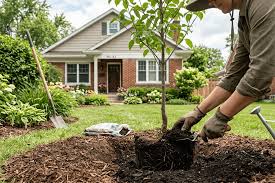
High temperatures can increase water loss through leaves and place additional pressure on tree roots. Trees growing in exposed locations may experience leaf scorching and premature leaf loss. Applying suitable organic mulch helps reduce soil temperature and conserve moisture. Young trees may need additional attention during prolonged hot weather. Selecting heat-tolerant varieties also improves long-term survival.
4. Maintain a Healthy Tree Trunk
The trunk provides structural support and transports water and nutrients throughout the tree. Damaged bark can expose internal tissues and create opportunities for disease organisms to enter. Avoid hitting trunks with gardening equipment or attaching unnecessary objects to them. Keep grass-cutting equipment at a safe distance and inspect the bark regularly for injuries.
5. Understand the Importance of Tree Pollination
Many flowering trees depend on insects, birds, or other natural agents for pollination. Successful pollination contributes to seed and fruit production. Maintaining flowering plants nearby can attract beneficial pollinators. Avoid unnecessary pesticide applications during flowering periods and select plant varieties that support local wildlife.
6. Prevent Damage from Improper Tree Topping
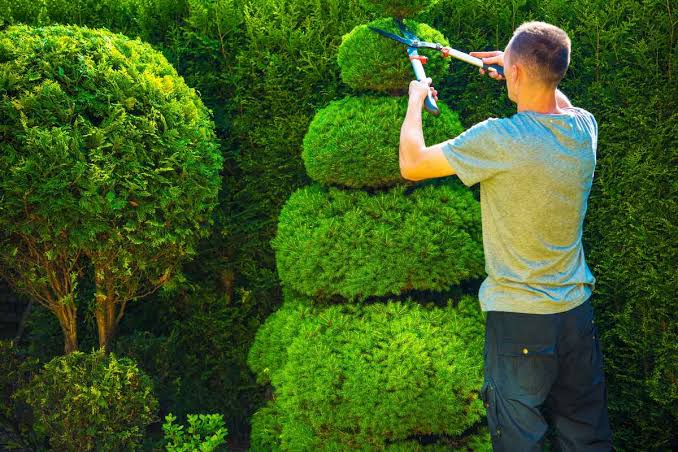
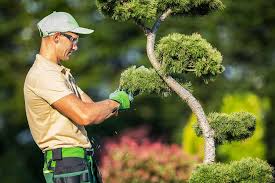
Tree topping involves cutting large portions of the upper canopy to reduce tree height. This practice can seriously weaken trees by removing substantial amounts of foliage and encouraging poorly attached regrowth. Instead, use appropriate structural pruning techniques when necessary. If a tree has become too large for its location, consult a qualified arborist about suitable management options.
7. Maintain Trees in Sandy Soil
Sandy soil drains quickly and may not retain sufficient moisture for certain tree species. Adding suitable organic matter can improve water retention and soil structure. Mulching is also useful because it reduces evaporation. Select species that tolerate local soil conditions and monitor irrigation requirements during dry periods.
8. Protect Trees from Animals
Animals may damage young trunks, branches, roots, and developing foliage. Suitable fencing or tree guards can help prevent injuries. Check protective equipment regularly to ensure that it does not restrict trunk growth. Wildlife-friendly protection methods are preferable because they reduce damage without unnecessarily disturbing local animals.
9. Understand When a Tree Needs Professional Attention
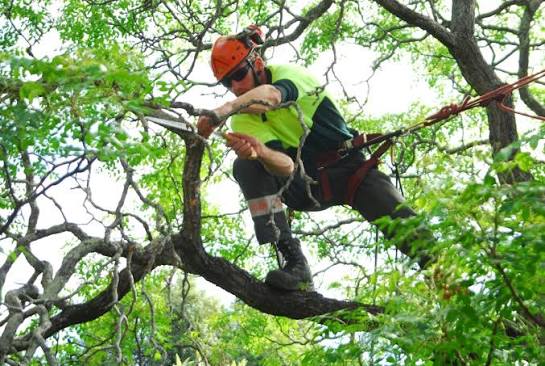
Certain problems cannot be managed safely through ordinary gardening activities. Large dead branches, deep trunk cracks, significant leaning, root damage, and extensive decay require professional assessment. Arborists can evaluate tree structure and recommend suitable treatments. Avoid climbing unstable trees or attempting complicated cutting operations without appropriate training.
10. Make Tree Preservation a Long-Term Commitment
Trees require attention throughout their lives. Maintaining healthy soil, monitoring growth, conserving water, and protecting existing vegetation are important responsibilities. Property owners and communities should also consider the environmental value of mature trees before making landscaping decisions. Consistent care helps preserve natural resources and creates attractive outdoor environments.
Conclusion
Successful tree maintenance requires careful planning, regular observation, and responsible gardening practices. Suitable species selection, proper irrigation, trunk protection, healthy soil, and appropriate pruning all contribute to strong development. Professional inspections can help address complicated problems and improve safety. By understanding the needs of trees and providing consistent care, we can protect valuable greenery and support a healthier environment for future generations.